Common problems when disposing household rubbish in Haringey flats
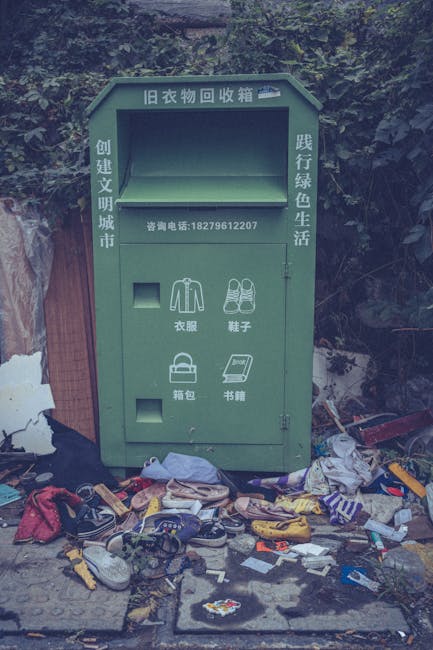
Living in a flat can make rubbish feel strangely complicated. One bag of kitchen waste is simple enough, but once you add shared bins, narrow stairwells, parking restrictions, missed collections, and the occasional mystery item left by a neighbour, the whole thing becomes more of a daily nuisance than a quick chore. This guide looks at the common problems when disposing household rubbish in Haringey flats, why they happen, and what you can do to make disposal cleaner, safer, and less stressful.
Truth be told, most rubbish problems in flats are not about laziness. They come from space limits, unclear bin rules, and the fact that several households often rely on the same bin store. By the end of this article, you'll know how to avoid the usual mistakes, sort waste properly, and decide when a simple bin run is no longer enough.
Why Common problems when disposing household rubbish in Haringey flats Matters
Rubbish problems in flats are rarely just about mess. They can affect smell, hygiene, neighbour relations, and even how safe it feels to move around the building. A blocked bin area, for example, can attract flies in warm weather and create awkward situations at the entrance to the block. Nobody wants to step over a broken bag on the way out with shopping in hand. Nobody.
In Haringey, many residents live in converted houses, mansion blocks, estates, or newer apartment buildings where bin arrangements vary from one address to the next. Some buildings have tight bin stores, others rely on communal recycling points, and some have limited collection windows. That means the smallest mistake can become a shared problem very quickly.
It also matters because waste left in the wrong place can lead to complaints, extra cleaning, pest issues, and avoidable costs for landlords or residents. From an everyday point of view, better disposal habits save time. Less dragging bags up and down stairs. Fewer last-minute bin surprises. Less, frankly, rubbish stress.
How Common problems when disposing household rubbish in Haringey flats Works
At a basic level, flat rubbish disposal should be simple: separate general waste, recyclables, food waste where provided, and any bulky or special items. In practice, it often becomes more complicated because shared spaces introduce shared responsibility, and not everyone follows the same routine.
Here's the usual pattern. Residents fill small indoor bins, then carry bags to a communal bin area. If the bin store is full, locked, dirty, too far away, or badly signed, people may leave waste beside the bins or try to "make it fit." That's where problems begin. One loose bag leads to another. Then a broken box. Then a chair someone meant to move "later."
For bulky items, the issue changes again. A mattress, broken wardrobe, fridge, or old sofa does not belong in a regular bin store. These items usually need separate collection or a dedicated disposal route, such as mattress and sofa disposal or fridge and appliance removal. Without that, they often end up blocking hallways or sitting in communal areas for days. Not ideal.
In shared buildings, communication matters almost as much as the disposal itself. If residents do not know what goes where, the system weakens fast. That is why many flats benefit from clear routines, visible labels, and a plan for larger clear-outs. When the system is muddled, the rubbish tends to win.
Key Benefits and Practical Advantages
Getting rubbish disposal right in a flat building is not glamorous, but the benefits are real and immediate.
- Cleaner communal spaces: Less spillover around bin stores, corridors, and entrances.
- Better neighbour relations: Fewer complaints about smell, noise, or dumped items.
- Lower pest risk: Properly contained waste is less likely to attract rats, mice, or insects.
- Faster clear-ups: When items are sorted correctly, collection or removal is simpler.
- More usable space: Flats are often short on storage, so getting waste out on time matters.
- Less confusion: Clear habits reduce the "is this recyclable or not?" decision fatigue.
There is also a mental benefit people overlook. A cluttered bin corner can make a building feel tired and run-down even when everything else is fine. Keeping waste under control changes the atmosphere. Small thing, perhaps. But you feel it.
Who This Is For and When It Makes Sense
This guide is for tenants, leaseholders, landlords, property managers, and anyone living in a Haringey flat where rubbish disposal is shared, limited, or just awkward. If you have ever carried two leaking bags downstairs and discovered the bin already overflowing, you are in the right place.
It makes sense to pay close attention if:
- your building has one communal bin store for many households;
- you live above ground floor and need to carry waste through shared hallways;
- recycling instructions are unclear or not enforced;
- bulky items keep appearing beside the bins;
- you are clearing out after a move, bereavement, refurbishment, or tenancy change;
- you need a cleaner, safer way to handle more than ordinary household waste.
If your rubbish is mostly normal daily waste, a good habit and a few practical changes may be enough. But if you are dealing with furniture, appliances, loft clutter, or a full flat clear-out, a service like flat clearance or home clearance may be the more realistic option. Let's face it, one person with a trolley cannot solve every building's bin problem.
Step-by-Step Guidance
Here is a straightforward way to deal with household rubbish in a flat without turning every bin run into a mini expedition.
- Sort waste at the source. Keep general waste, recycling, and food waste separate as soon as possible. A small kitchen caddy helps more than people think.
- Flatten and bag properly. Cardboard should be flattened. Loose rubbish should go in tied bags that will not split halfway down the stairs.
- Check bin store rules. Many flats have local instructions about which bins are for recycling, mixed waste, or food waste. If those rules are missing, ask for them. Do not guess if you can avoid it.
- Time your disposal. If collections happen on certain days, take rubbish out close to that time so it does not sit around. Early evening can be busy in some blocks; mornings may be calmer.
- Do not force bulky items into communal bins. If it does not fit easily, it is probably the wrong route.
- Arrange removal for unusual items. For old furniture, broken appliances, or clutter from a spare room or loft, use a dedicated solution such as furniture disposal or loft clearance.
- Keep the bin area tidy. Wipe spills, close lids, and avoid leaving bags next to the bins unless a collection team has specifically asked for staged items.
- Review the system after a few weeks. If the same issue keeps happening, the problem is probably structural, not personal.
That last point matters. If a bin store is too small for the number of residents, no amount of "try harder" will fix it. Sometimes the setup itself is the issue.
Expert Tips for Better Results
Here are the small, practical habits that make the biggest difference in flat rubbish disposal.
- Use smaller bags indoors. Heavy bags are more likely to split. Two lighter trips beat one dramatic disaster on the stairwell carpet.
- Keep a separate box for dry recyclables. It makes sorting quicker on busy evenings.
- Break down packaging immediately. Flat-pack boxes take up huge amounts of space if left whole.
- Label household bins clearly. If you share with others, simple labels reduce confusion.
- Store bulky waste out of the way until collection. A hallway is not a storage plan, even if it feels temporary.
- Take photos of recurring problems. If bin stores are constantly overflowing, clear photos can help a managing agent or landlord understand the scale of the issue.
- Ask about specialist disposal before moving day. It is much less stressful to plan ahead than to find yourself staring at a sofa with no way down the stairs.
Expert summary: In flats, good waste disposal is mostly about preventing friction. Keep waste compact, keep routes clear, and match the item to the right disposal method. The simpler the system feels, the more likely people are to follow it.
Also, a tiny practical note: if you live in a building where bins are shared, consistency matters more than perfection. One tidy household helps, but a building works best when everyone follows the same pattern. That sounds obvious, yet it is often the missing piece.
Common Mistakes to Avoid
Most flat rubbish problems come from a handful of repeat mistakes. The good news is they are avoidable once you know what to look for.
- Leaving bags beside overflowing bins: This often turns into a pile-up and can attract pests or complaints.
- Mixing recycling with general waste: It creates contamination and reduces the value of the recycling effort.
- Ignoring food waste guidance: Food left in the wrong container quickly becomes smelly, especially in warmer months.
- Dumping bulky items in communal areas: A mattress, wardrobe, or broken appliance does not become someone else's job just because it is inconvenient.
- Assuming someone else will sort it out: In shared buildings, that assumption causes a lot of tension.
- Waiting until the last minute before a move-out: That's when the stairwells become crowded and the bins fill up, usually all at once.
A common one is overfilling bin bags until they split. It feels efficient at the time, but the result is often a trail of coffee grounds, packaging, or kitchen scraps across a shared landing. Not exactly a proud moment.
Tools, Resources and Recommendations
You do not need a complicated setup to manage rubbish in a flat. A few simple tools can make the process much easier.
- Small pedal bin or kitchen caddy: Helpful for separating food waste and reducing indoor odours.
- Extra recycling box or bag: Useful for bottles, cans, paper, and cardboard.
- Heavy-duty refuse bags: Better for awkward mixed waste or heavier household items.
- Foldable trolley: Handy in larger blocks or for residents who cannot carry multiple heavy bags.
- Storage sacks or a corner box: Good for keeping sorted recyclables tidy until bin day.
When the waste is too much for normal bins, it helps to know which type of clearance you need. For example, a room refresh may only need furniture clearance, while a full property tidy-up might call for house clearance. If you are dealing with a mixed load, waste removal can be the more flexible route.
If you are comparing options, ask yourself a few simple questions: How much space do I have? How quickly does the waste need to go? Is the item bulky, heavy, or potentially hazardous? Those answers usually point you in the right direction faster than any sales pitch ever will.
Law, Compliance, Standards, or Best Practice
When dealing with household waste in flats, the safest approach is to follow the rules set for your building and your local collection arrangement, and to use approved disposal routes for anything unusual. In the UK, waste needs to be handled responsibly, and residents should not place items in bins that are clearly unsuitable for them. That applies especially to electrical items, sharp objects, and anything potentially hazardous.
Best practice in shared buildings usually includes:
- keeping waste contained and secure;
- separating recycling where facilities are provided;
- avoiding fly-tipping or leaving items outside bin stores;
- using specialist disposal for appliances, furniture, and hazardous materials;
- making sure anyone helping with clearance is insured and uses sensible safety practices.
If you are unsure about a specific item, it is better to pause than to guess. A broken fluorescent tube, old chemicals, paint tins, or damaged electronics need more care than ordinary rubbish. For those kinds of items, a dedicated service such as hazardous waste disposal is far more appropriate than a regular bin.
For households handling confidential papers during a clear-out, confidential shredding can be a practical safeguard. And if you want reassurance around how a provider works, pages like insurance and safety and health and safety policy are useful indicators of a more responsible operation.
Options, Methods, or Comparison Table
There is no single right answer for every flat. The best method depends on the type of rubbish, the amount involved, and how quickly it needs to go. Here is a simple comparison.
| Method | Best for | Strengths | Limitations |
|---|---|---|---|
| Regular communal bins | Everyday household rubbish | Simple, familiar, low effort | Space is limited; easy to overflow |
| Recycling bins and caddies | Dry recyclables and food waste | Reduces general waste; tidier sorting | Needs consistent habits and clear labels |
| Bulky item disposal | Furniture, mattresses, appliances | Proper route for large items | Requires planning and often separate booking |
| Flat clearance service | Full or partial clear-outs | Fast, practical, handles mixed loads | Usually more involved than everyday disposal |
| Skip-style or load-based disposal | Renovations or large household clear-outs | Useful for bigger volumes | Access and item rules matter; not always ideal for flats |
If you are trying to decide, think in terms of friction. Regular bins work when the waste is small and predictable. Once the items become awkward, heavy, smelly, or numerous, a more structured option is usually worth it. That includes checking what can go in a skip via what can go in a skip if you are considering larger disposal methods.
Case Study or Real-World Example
A common scenario goes like this. A resident in a Haringey flat is moving out at the end of a tenancy and has several bin bags, a broken desk, an old chair, and a fridge that stopped working months ago. The communal bins are already full by late afternoon. There is also no lift, which makes the trip awkward before it has even begun.
At first, the resident tries to do it all through the bin store. The bags make it, but the desk does not. The fridge is left by the wall "just for a minute." Then a neighbour complains. Fair enough, really. The hallway is no place for a fridge to sit all evening humming quietly like it owns the building.
The better approach is to split the problem by item type. General waste goes out in manageable bags. Furniture is booked for separate collection. The fridge is dealt with through appliance removal. If there are many items or the flat needs a more complete reset, a flat clearance or broader home clearance can take the stress out of the move. The resident gets a clear space, the building gets its hallway back, and everybody breathes a bit easier. Simple, but not always obvious in the moment.
Practical Checklist
Use this checklist before you take rubbish out of a flat or arrange a larger collection.
- Have I separated recycling from general waste?
- Are all bags tied securely and light enough to carry safely?
- Do I know where the communal bins or collection point are?
- Is the bin store already full or blocked?
- Do I have any bulky items that need a separate service?
- Are there electrical, hazardous, or confidential items mixed in?
- Have I flattened cardboard and broken down packaging?
- Am I leaving anything in a hallway, stairwell, or shared entrance?
- Do I need help with heavier furniture or appliances?
- Have I checked whether the building has specific disposal rules?
If you can tick most of those off, you are usually in good shape. If not, slow down and sort the problem properly before it turns into a bigger one.
Get a free quote today and see how much you can save.
Conclusion
Disposing household rubbish in Haringey flats is often harder than it looks, but it does not have to become a weekly headache. Most problems come from the same few causes: limited storage, shared bin spaces, confusing rules, and bulky items that simply do not belong in a normal bin system. Once you understand those pressure points, the whole process becomes easier to manage.
The key is to match the waste to the right method, keep shared spaces clear, and act before clutter starts building up. A tidy bin area is not just nicer to look at. It helps the whole building run better, and that is something you notice every day, even if only a little.
If you are facing a bigger clear-out, a move, or a pile of awkward items, take it step by step and choose the option that fits the reality of your flat, not the one that sounds easiest in theory. A calmer building, a cleaner hallway, and one less thing to worry about - that's a good outcome, honestly.
Frequently Asked Questions
Why is household rubbish harder to dispose of in flats than in houses?
Flats usually rely on shared bin stores, tighter access, and less storage space. That means waste has to be carried through communal areas and disposed of in a system that multiple households use at once. If one person overfills the bins, everyone feels it.
What are the most common rubbish problems in Haringey flats?
The most common problems are overflowing communal bins, mixed recycling contamination, bags left beside bins, bulky items dumped in shared spaces, and unclear rules about what goes where. Smell and pest issues often follow if the problem is left alone.
What should I do with a broken sofa or mattress in a flat?
Do not leave it in a bin area or hallway. Use a dedicated disposal route such as mattress and sofa disposal, or arrange a broader clearance if you have several large items at once.
Can I put a fridge in the communal bins?
No, a fridge is too large and needs separate handling. Appliance disposal is better managed through a specialist service like fridge and appliance removal.
What happens if I leave rubbish beside the bins?
It can block access, attract pests, and create complaints from neighbours or building managers. In some buildings, it may also be treated as fly-tipping or an unauthorised dump, which is a much bigger issue than a missed collection.
How can I reduce smell from rubbish in a flat?
Use smaller indoor bins, tie bags properly, empty food waste regularly, and keep recyclables clean and dry. Warm weather makes odours worse, so timing matters too. A quick trip to the bin store is usually better than letting waste linger.
Is recycling in flats different from recycling in houses?
The core principle is the same, but flats often have shared containers and less room for sorting. That makes labels, local instructions, and consistent habits more important. If you are unsure, ask before mixing items together.
When does a flat clearance become the better option?
Once you have multiple bulky items, a full room to clear, or a deadline like a move-out or tenancy end, a flat clearance can be more practical than trying to manage everything through the bins one bag at a time.
Do I need to worry about hazardous waste in a flat?
Yes. Things like chemicals, paint, certain cleaning products, and damaged electrical items should not go into ordinary household bins. Hazardous waste needs more careful disposal, and a specialist route is the safer choice.
What is the best way to clear rubbish before moving out of a flat?
Start with a sort: keep general waste separate, identify bulky items, flatten packaging, and book any specialist removal early. If the flat has built-up clutter or furniture to remove, a house clearance or flat clearance can save a lot of time and last-minute panic.
How do I know whether my building's bin rules are being followed properly?
Look for recurring patterns: bins left open, contamination in recycling, bags placed outside containers, or confusion about collection days. If the same issue keeps happening, the rules may not be clear enough or the bin provision may be inadequate.
Where can I learn more about responsible waste handling and safety?
Useful service pages to review include recycling and sustainability, insurance and safety, and health and safety policy. They help set expectations for careful, orderly disposal.